
Horses
Most of Guri Riding Club's lesson horses are Thoroughbreds retired from racing. They were retrained as riding horses and now carry beginners and members.
19 club horses As of October 2026
Of the 61 horses registered at the riding grounds, 19 are club horses belonging to the Seoul Equestrian Federation. In the records, "Busan" means LetsRun Park Busan-Gyeongnam and "Seoul" means LetsRun Park Seoul.
12 Thoroughbreds
- Sibyuk-il (16th)Registered name: Approach (어프로치)
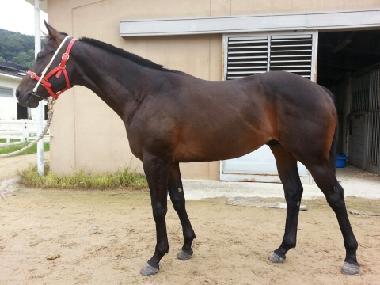
- Raced for six seasons at Busan-Gyeongnam: 30 starts, 8 wins and 9 second places. He rose to Class 1, the top class for Korean-bred horses, and retired in 2020.
- Born ToRegistered name: Born to Peace (본투피스)
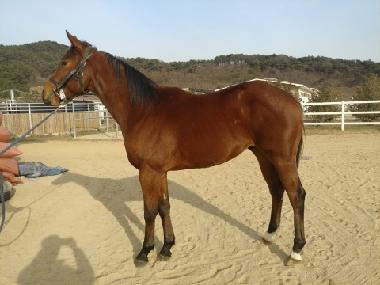
- Registered as a racehorse but never raced. In practice he was trained as a riding horse from the start.
- RyanRegistered name: Powerful Pit (파워풀핏)
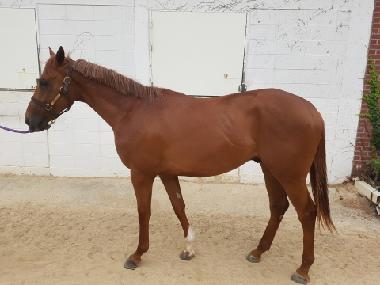
- An "in-foal import": his dam was imported while carrying him, and he was born in Korea. He raced 31 times with 2 seconds and 1 third, and left the track in March 2020.
- KarinaRegistered name: Dangdae Jilju (당대질주)
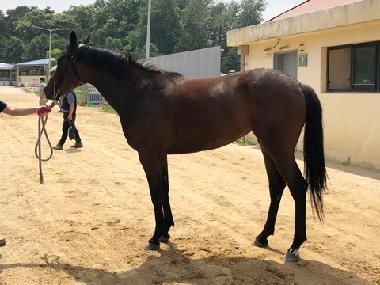
- Raced 17 times with 1 second and 3 thirds. She finished racing at the end of 2022 and moved on to become a riding horse.
- MysticRegistered name: Geuma Mystic (금아미스틱)
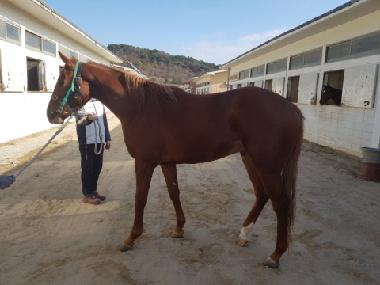
- Born in the USA, he won 6 of 21 starts in Korea. In 2022 he was third in the YTN Cup (GⅢ) and fifth in the KRA Cup Classic (GⅡ) and the Grand Prix (GⅠ).
- Milky Sherry
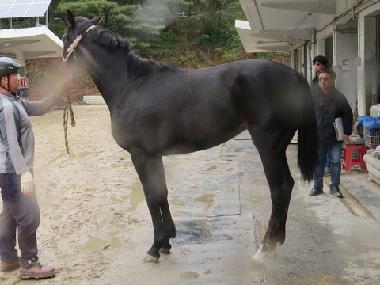
- The club horse with the most race starts. In 40 starts she won 3 times, placed in the top three 9 more times, and ran in the 2020 Luna Stakes (L).
- Good PointRegistered name: Geuma Good Point (금아굿포인트)
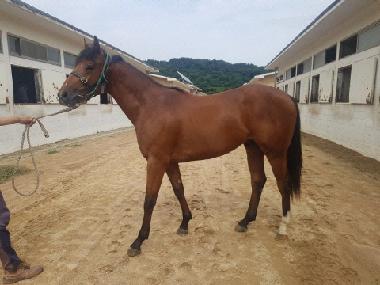
- 38 starts at Busan-Gyeongnam, with 2 wins, 5 seconds and 4 thirds.
- PassionateRegistered name: Geuma Passionate (금아패셔너트)
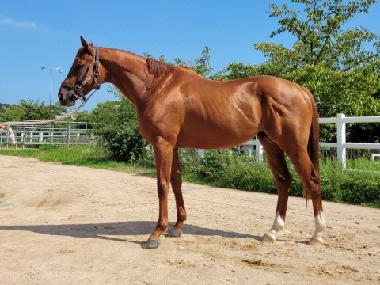
- An "in-foal import": his dam was imported while carrying him, and he was born in Korea. He won all 3 starts in his debut year of 2022, finished with 4 wins from 14 starts, and retired in 2024.
- FieryRegistered name: Geuma Fiery (금아파이어리)
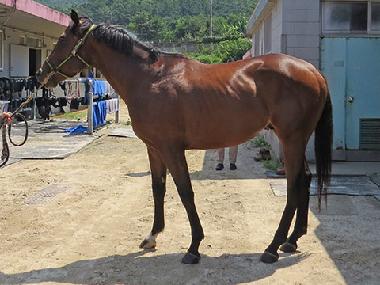
- Raced 28 times at Seoul, finishing first, second and third four times each. He ran his last race in January 2026 and then joined the club.
- Yong-iRegistered name: Yongginaeyo Geudae (용기내요그대)
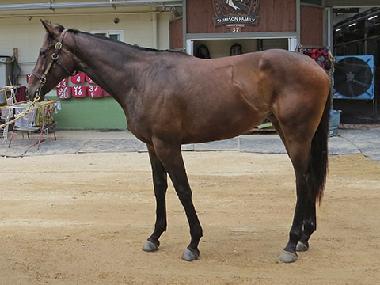
- Raced 6 times at Seoul with one third place. She finished racing at three and became a riding horse.
- JoyceRegistered name: Geuma Rejoice (금아리조이스)
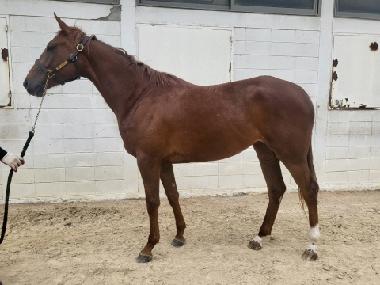
- Raced 23 times with 1 win, and was second and third twice each. She ended her racing career in July 2026 and became a riding horse.
- DominoRegistered name: Geuma Dominant (금아도미넌트)
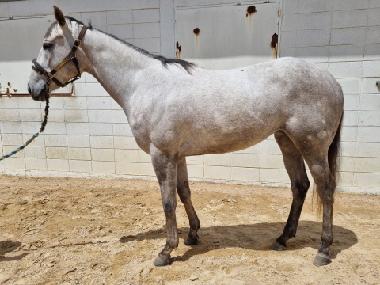
- The club's youngest horse and its only grey Thoroughbred. Like Passionate and Ryan, she is an in-foal import. She won 1 of 15 starts at Busan-Gyeongnam and retired in May 2026.
2 Warmbloods
- BondRegistered name: Bond Street (본드스트리트)
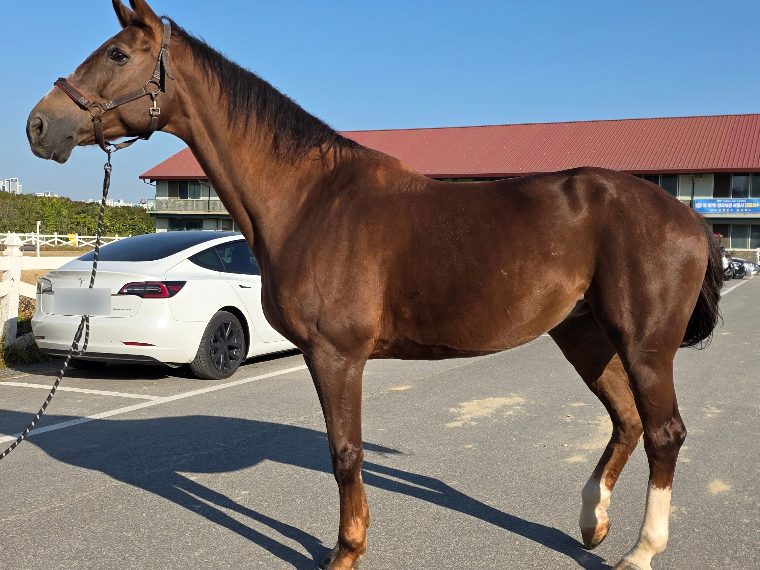
- A Belgian Sport Horse born in Belgium. The breed is a Warmblood developed in Europe for riding.
- BrazilRegistered name: Brasilia du Tot (브라질리아두토트)
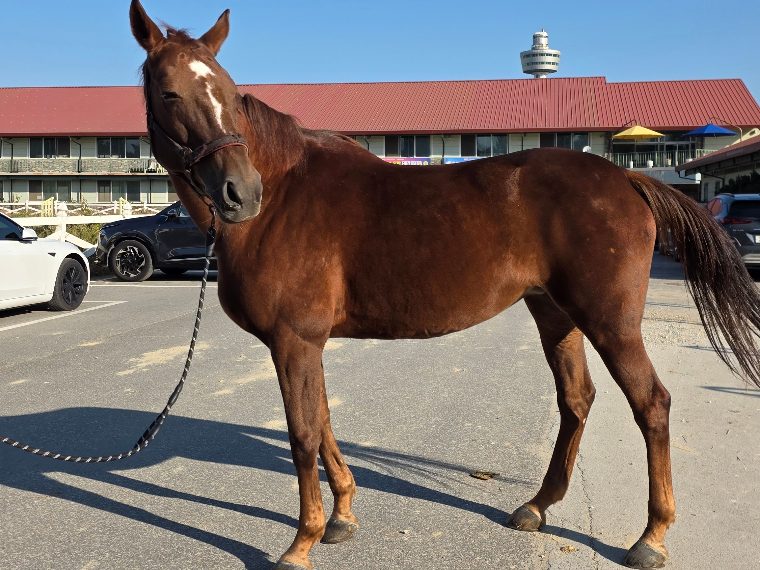
- A Belgian Sport Horse born in Belgium in 2007, the same year as Bond.
3 Halla horses
- Huindung-iRegistered name: Palsaekjo (팔색조)
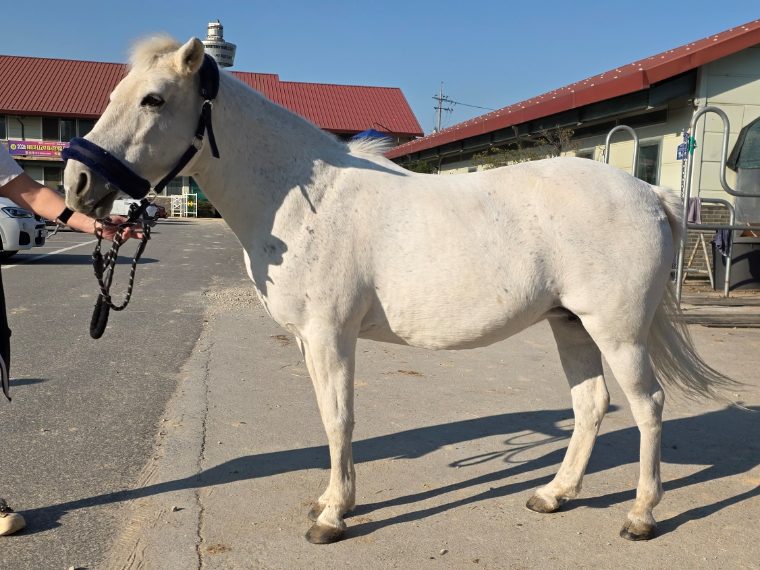
- The club's oldest horse. She ran in two Halla horse races, in 2007 and 2008, and won one of them.
- Jorang-i
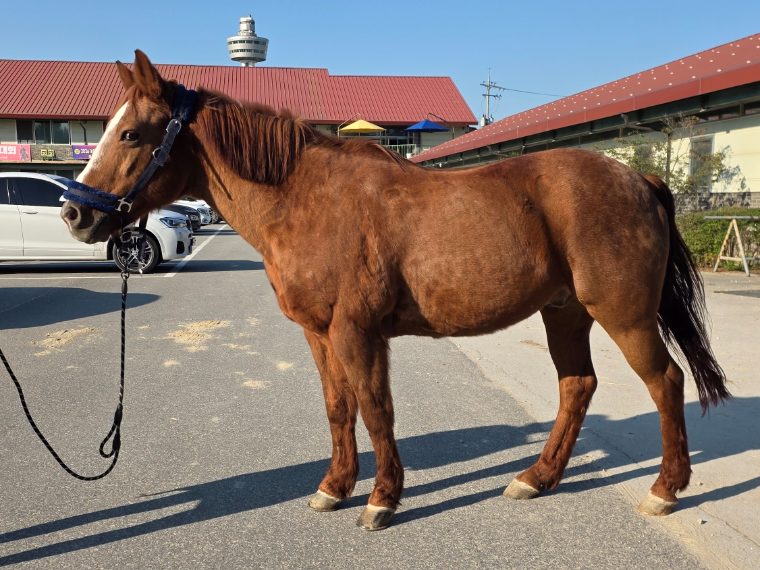
- A Halla horse foaled in 2005, and the club's second-oldest horse after Huindung-i.
- Latte
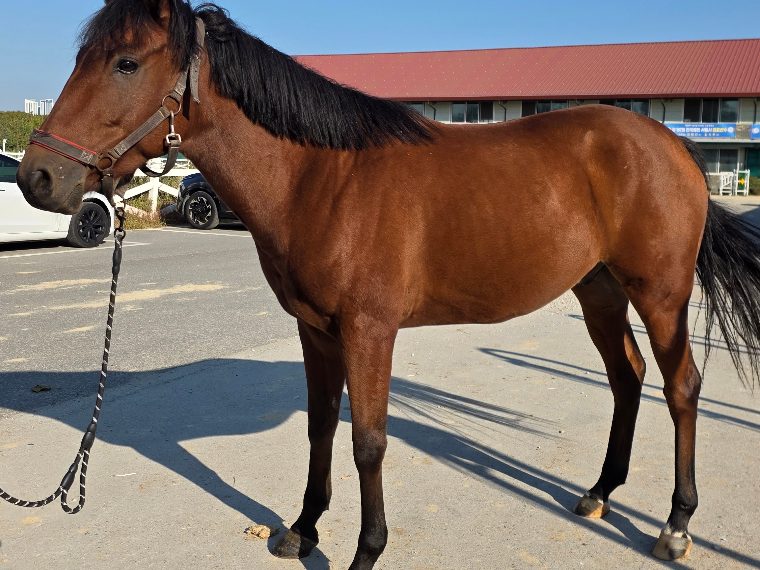
- The youngest of the club's Halla horses. He is small, but he jumps 110cm fences and competes as a show jumping horse.
2 ponies
- Youngsim-i
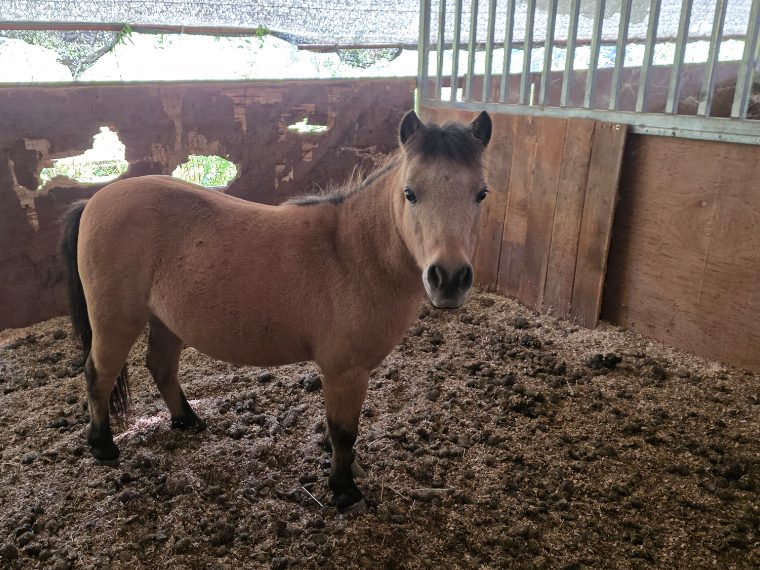
- A pony foaled in 2020. She is in foal, so she is not working in lessons at the moment.
- Eunsun-i
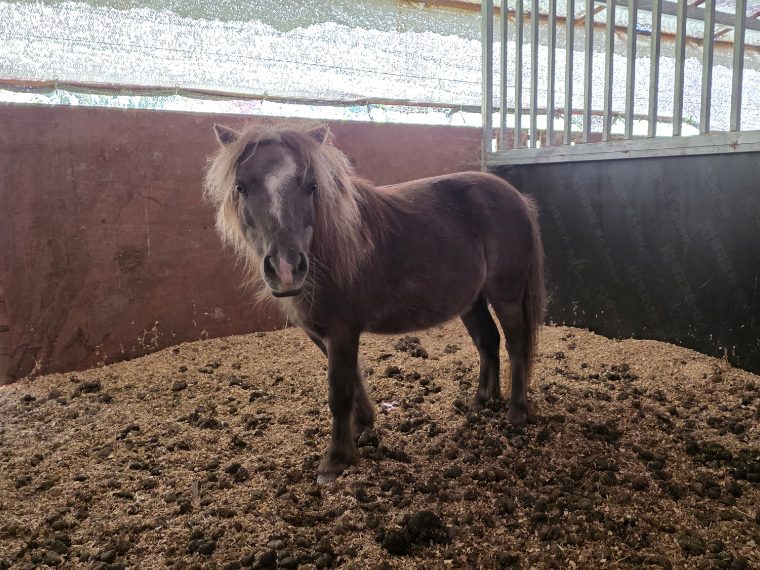
- A pony foaled in 2015. Like Youngsim-i, she is in foal and is resting from lessons for now.
Horse roles
More
The coach assigns horses based on the rider's height, weight and experience, and on how each horse is that day.
- Lesson horse
- Horses that carry beginner and regular lessons. At Korean riding centres, most of these are retired racehorses.
- Mostly Thoroughbreds
- Schoolmaster
- A well-trained horse that responds exactly to correct aids and is not easily unsettled by unclear signals. A good match for nervous riders.
- Assigned by the coach
- Dressage horse
- A horse with long, supple strides, suited to dressage practice. Warmbloods, bred in Europe for riding, are the typical example.
- Mostly Warmbloods
From racehorse to riding horse
More
- Time to become a riding horse
- 6 months to 2 years
- Share of retired racehorses that became riding horses (2021 to August 2026)
- 38.4%
- Retraining facilities for riding use in 2026
- 48
The Thoroughbred has been bred for speed over several hundred years. For a racehorse to carry a rider and walk calmly, it needs separate retraining. The horse learns again to stay calm around unfamiliar sounds and objects and to follow the rider's leg and rein aids. Depending on the horse, this takes six months to two years.
During their racing years they were handled by people every day and lived among many people and horses, so many are used to people. Some are sensitive, so the coach matches each rider with a suitable horse.
Horses live for about 25 years on average. A racehorse retired at three or four has a much longer life ahead as a riding horse.
Reading a horse's mood
More
Horses are timid herbivores and are sensitive to sound and movement. Their ears, nostrils and tail tell you how they are feeling.
- Interest and trust
- Ears point forward and the lips reach out to sniff. The tail is half raised.
- Safe to approach
- Displeasure
- Ears pinned flat back and nostrils narrowed. The horse may bite or kick.
- Keep your distance
- Anxiety and alertness
- Ears pricked and turning in different directions, nostrils flared, head held high.
- Calm with a low voice
- Resting
- Ears droop loosely to the side, one hind leg rests and the horse stands on three legs. The eyes may close.
- Wait until it wakes
- Flehmen
- The horse curls back its upper lip and stretches out its head. It does this when it smells something unfamiliar.
- A natural response
With both eyes a horse can see more than 300 degrees, but not directly in front or directly behind. Approach a horse at an angle, towards its shoulder.
A horse's day and feed
More
In the wild, horses spend about 60% of the day eating. Deep sleep is short, and they rest mostly standing up.
A horse eats 2 to 2.5% of its body weight a day. A 450kg horse eats about 12kg in 3 to 4 meals and drinks 25 to 30L of water a day, a little at a time. Forage such as hay is the basis of the diet, and horses in heavy work also get grain and compound feed.
Treat rules
- Check with the coach first, and give only treats the club allows.
- Cut carrots lengthways and offer them on a flat, open palm.
- Horses cannot vomit, so never give food that could choke them or block the gut, such as wet bread or whole apples.
- Never give mouldy or contaminated food.
Horse health basics
More
The people who see a horse every day are the first to notice when something is wrong. Get to know how the horse normally is, and tell a staff member straight away if you notice anything unusual.
| Vital signs | Normal |
|---|---|
| Temperature | 37.5–38.5℃ |
| Breathing | 8–16 per minute |
| Heart rate | 25–40 per minute |
Signs to report to staff
- Eating and drinking very little
- Pawing the ground constantly, or repeatedly lying down, rolling and looking at its flanks
- Lameness, or heat and swelling in the legs
- Nasal discharge, coughing, or rough and irregular breathing
- Unusually dull, or sweating heavily
Horses are usually vaccinated every year against Japanese encephalitis, influenza and strangles, and kept healthy with regular deworming, shoeing and dental checks.
Breeds at Guri Riding Grounds
The 61 horses registered at the riding grounds belong to 14 breeds. Thoroughbreds are the largest group with 21, followed by 13 small horses, 10 medium horses, and 3 each of Hanoverians and Shetland ponies.
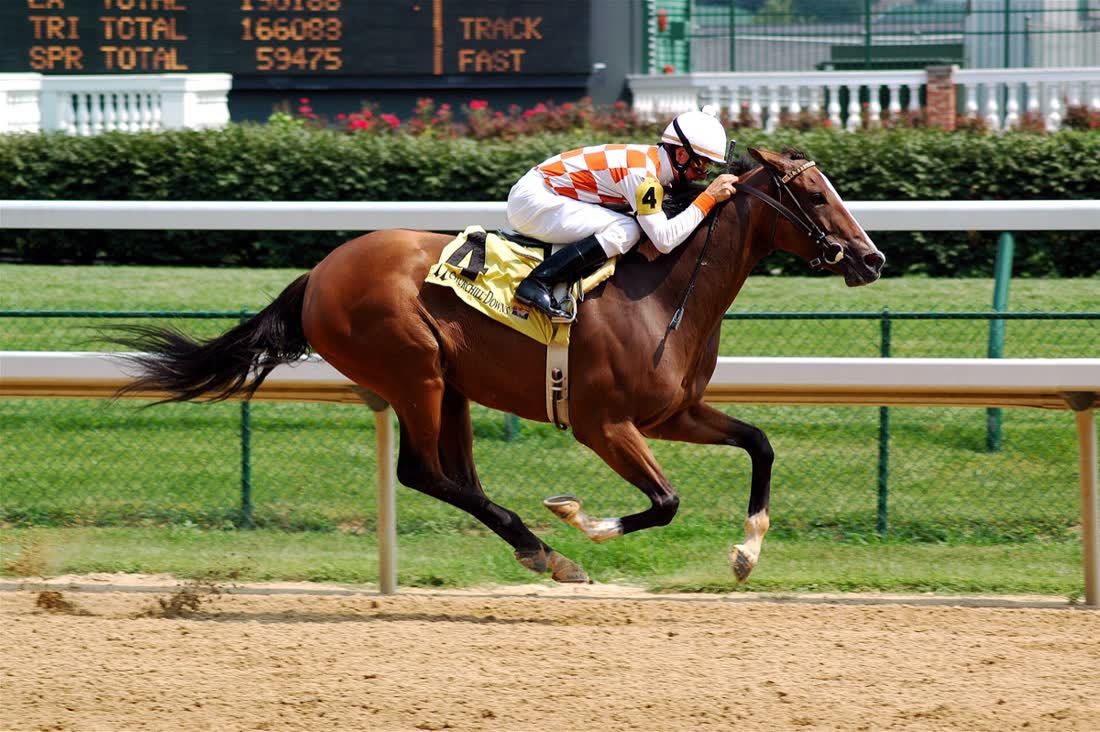
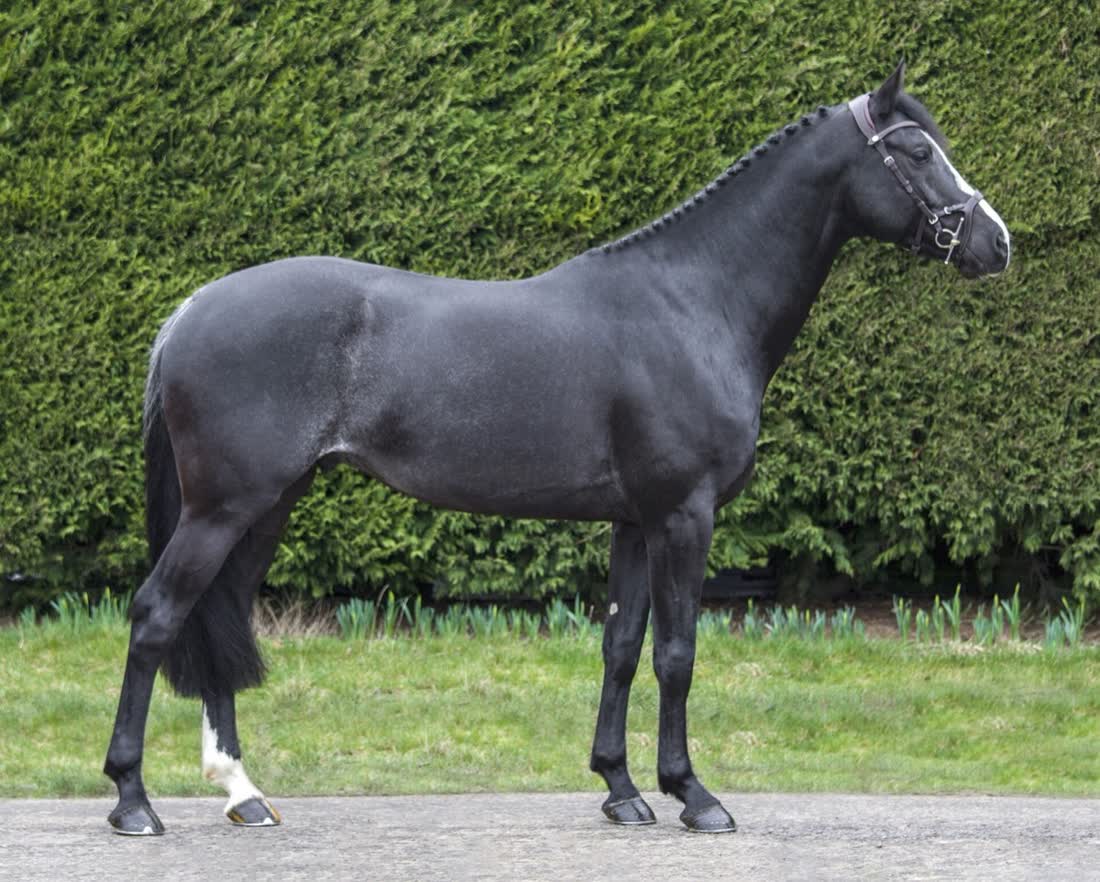
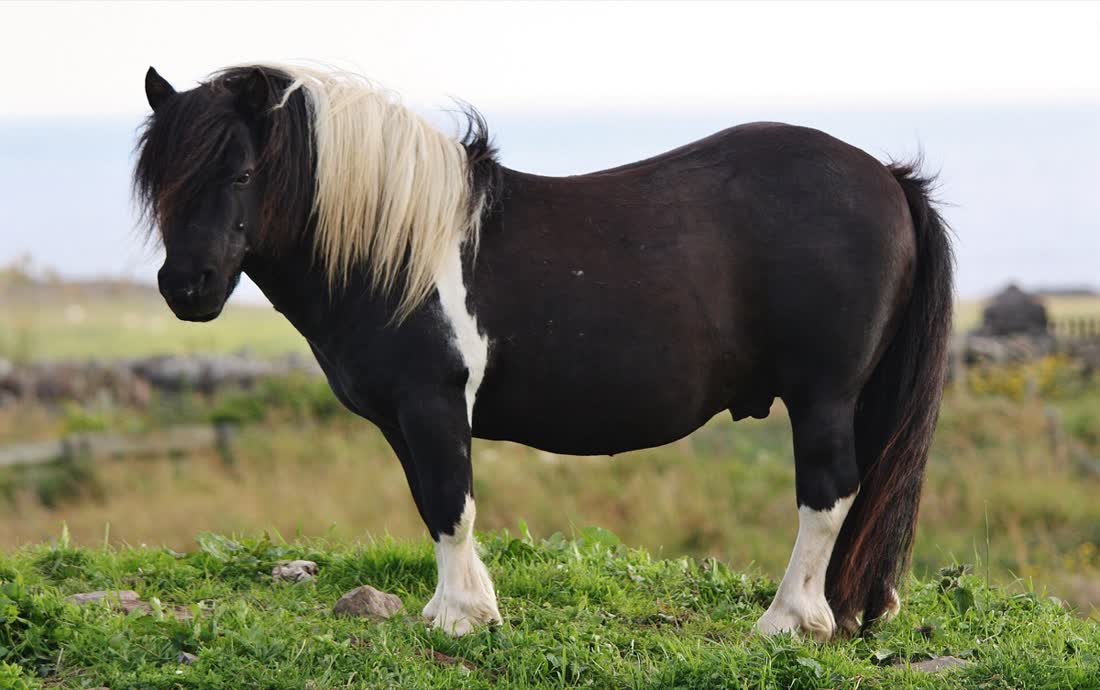
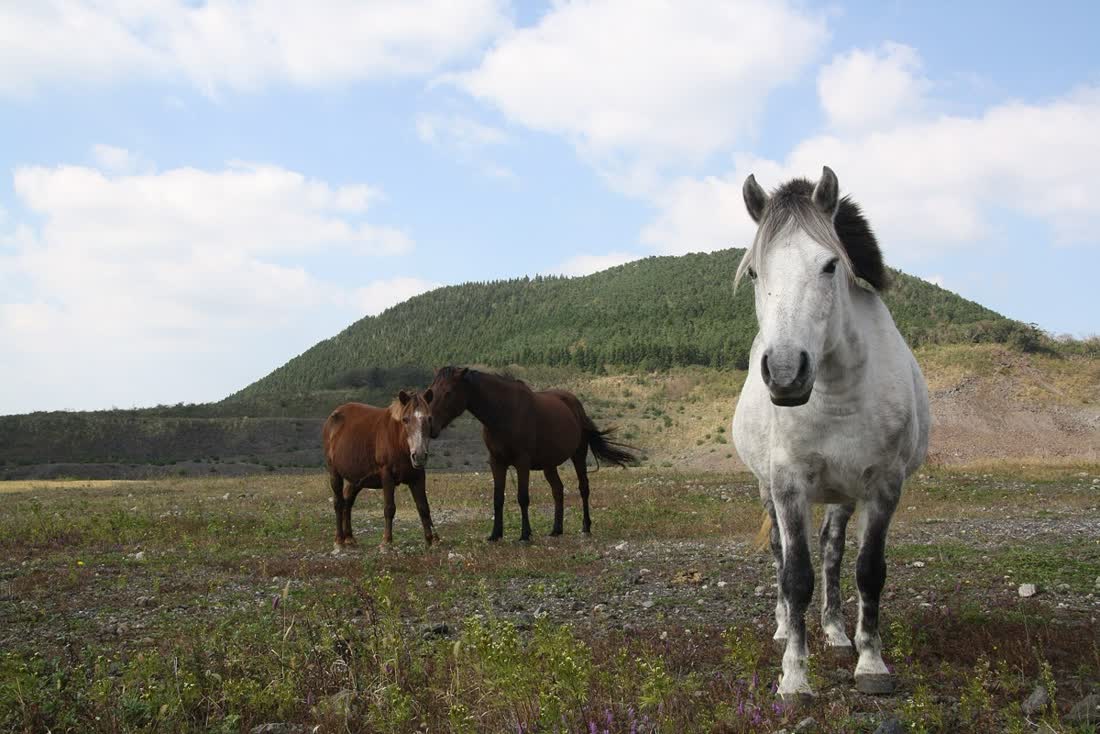
Breed reference photos; these are not club horses.
- Thoroughbred
- Developed in 18th-century England for racing. Long-legged, 157–173cm at the withers, active and quick to respond. The most numerous registered horse in Korea, with over 13,000.
- Regular lessons
- Warmblood
- A general term for riding horses developed in Europe by crossing light hot-blooded horses with strong cold-blooded horses. Calm, sturdy and with a long stride. Names differ by country and studbook: KWPN in the Netherlands, Hanoverian and Oldenburg in Germany, Selle Français in France.
- Dressage, show jumping
- Shetland pony
- A small breed from the Shetland Islands of Scotland. Adults are no taller than 107cm at the withers and are strong for their size.
- A child's first ride
- Jeju horse
- Korea's native horse, designated a Natural Monument in 1986. About 120cm at the withers, small but calm and hardy. In the Joseon era it was one of Jeju's main tributes to the royal court.
- Korean native horse
- Halla horse
- A cross between the Jeju horse and the Thoroughbred, combining the Jeju horse's hardiness with the Thoroughbred's build. The club's Huindung-i (registered as Palsaekjo) has a record in Halla horse racing.
- Crossbreed
- Small and medium horses
- Not breed names but registration categories by size, used for horses whose breed is hard to identify. In riding, a horse under 150cm at the withers when shod is called a pony.
- Trial rides, children
31,193 horses registered in Korea
More
As of October 2026, 31,193 horses are registered in Korea. They are divided into Thoroughbreds, Jeju horses and "general horses", which covers all others.
- Thoroughbreds
- 13,233
- General horses
- 10,408
- Jeju horses
- 7,552
| Group | Main breeds | Number | Features and use |
|---|---|---|---|
| Jeju horses and size categories | Jeju horse, small horse, medium horse, large horse, Korean small horse, Korean medium horse, Halla horse | 15,928 | Jeju horses are registered separately. Small, medium and large are size categories; these horses are widely used for trial rides and children's riding. |
| Thoroughbred | Thoroughbred | 13,234 | After racing, they become lesson horses at riding centres. |
| Warmblood | Korean Warmblood, Hanoverian, Oldenburg, KWPN, Selle Français, Holsteiner, Westphalian, Zangersheide and about 30 others | 1,036 | Riding horses developed in Europe; the mainstay of dressage and show jumping. |
| Pony | Miniature, Haflinger, Shetland, Welsh, Connemara, New Forest and others | 608 | Small breeds used for children's riding and trial rides. |
| Western and desert breeds | Quarter Horse, Arabian, Akhal-Teke, Appaloosa, Paint | 159 | The Quarter Horse is a muscular breed strong over short distances; the Arabian is a Middle Eastern breed known for endurance. |
| Baroque breeds | Friesian, Lusitano, Andalusian, Lipizzaner | 64 | High-necked with showy gaits; used for classical dressage and performances. |
| Heavy draught horses | Shire, Clydesdale, Belgian | 9 | Large breeds weighing over 700kg, used for carriages and events. |
See all general horse breeds
Numbers in brackets are head counts. Some breeds are registered more than once under different spellings.
Small horse (6,751), Medium horse (1,359), Large horse (193), Miniature (173), Korean Warmblood (147), Haflinger (138), Hanoverian (133), Shetland Pony (108), Quarter Horse (101), Oldenburg [spelling variant] (80), Warmblood (77), KWPN (75), Selle Français (67), Holsteiner (67), Westphalian (66), Welsh Pony (55), Dutch Warmblood (49), Hanoverian (K) (42), Belgian Warmblood (41), Korean small horse (37), Korean medium horse (34), Zangersheide (32), Connemara (30), Haflinger (K) (29), Korean riding horse (28), Friesian (24), Arabian (20), Lusitano (19), Welsh Pony (K) (18), Quarter Horse (K) (17), German Sport Horse (12), Arabian (K) (10), Korean riding-type horse (10), Connemara Pony (10), Friesian (K) (9), Shetland Pony (K) (9), Oldenburg (K) (9), Oldenburg International (9), Rhinelander (9), Selle Français (K) (8), Czech Warmblood (8), Andalusian (8), Belgian Sport Horse (7), New Forest Pony (7), Appaloosa Pony (7), Belgian (6), Akhal-Teke (6), German Riding Pony (6), Bavarian Warmblood (5), Appaloosa Pony (K) (5), Holsteiner (K) (5), Mecklenburg (5), American Miniature (5), Irish Sport Horse (5), Württemberg (4), Danish Warmblood (4), Swedish Warmblood (4), Hessian (4), Belgian Sport Horse [spelling variant] (4), Connemara (K) (3), Appaloosa (3), Dutch Warmblood (K) (3), German horse (2), Swiss Warmblood (2), AES (2), Trakehner (2), Shire (2), Hungarian Sport Horse (2), NRPS (2), Lusitano (K) (2), Oldenburg Springpferd (1), British Warmblood (1), Halla horse (1), Thoroughbred-type (1), Saxon (1), Brandenburg (1), Fjord (1), Lipizzaner (1), Pinto (1), French Saddle Pony (1), Slovak Warmblood (1), Clydesdale (1), Falabella (1), Oldenburg Jumper [spelling variant] (1), Paint (1), Zangersheide (K) (1), Belgian Pony (1), Danish Sport Pony (1), Jeju pony (1), KFPS (1), KIDRpf (1), Other (29)
Source: KRA Horsepia, as of October 2026