
News
Jeju Tops Horse Industry Zone Review for 12th Straight Year
· 2 min read
Jeju ranked first among Korea's four horse industry special zones in the Ministry of Agriculture, Food and Rural Affairs' 2026 review. It is the 12th year in a row since Jeju became the first zone in 2014, and the province plans to use the result to bid for the Korea Racing Authority's headquarters.
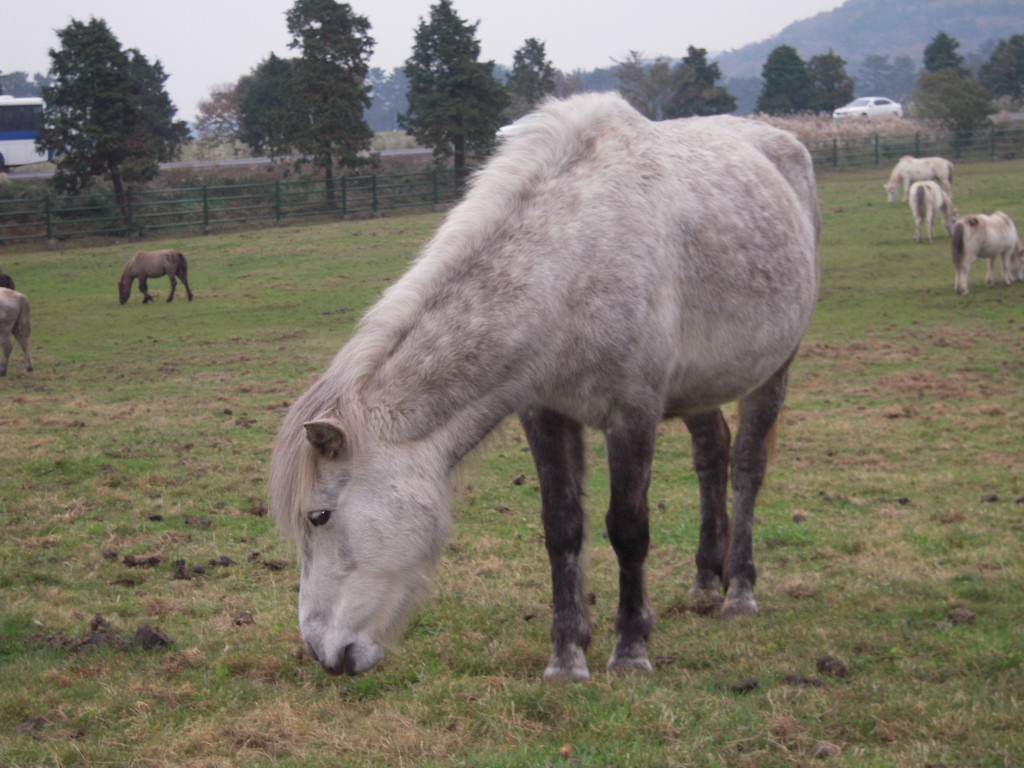
Jeju Special Self-Governing Province said on 14 October that it had ranked first in the country in the Ministry of Agriculture, Food and Rural Affairs' 2026 review of how horse industry special zones carried out their development plans. Four local governments are designated as horse industry special zones: Jeju, Gyeonggi, North Gyeongsang and North Jeolla. Jeju became the first such zone in 2014 and has received the highest score in this review for 12 years in a row.
How the review worked
According to Yonhap News Agency and Jeju Maeil, the ministry formed a panel of outside experts in August to assess the four zones. The panel examined each zone's 2025 record in carrying out its development plan, its performance as a national hub for the horse industry and its budget execution rate, through document reviews, site inspections and an overall evaluation.
As a result of the review, Jeju secured a central government incentive grant for 2027. The province plans to spend it on buying stallions for breeding high-quality racehorses and on repairing public riding facilities used by local residents.
A link to the Korea Racing Authority headquarters
Jeju intends to use the result as a key argument in persuading the government and the National Assembly to move the headquarters of the Korea Racing Authority (KRA) (한국마사회) to Jeju. The KRA runs horse racing in Korea and is the designated agency for developing the horse industry under the Horse Industry Promotion Act.
The province argues that bringing the headquarters to Jeju, where horse breeding and rearing are concentrated, would strengthen its role as a national hub linking the industry on the ground with policy. It also plans to tie the KRA bid to building a horse industry complex that combines the horse industry with tourism resources. Kim Young-jun, head of Jeju's agriculture, livestock and food bureau, said the 12-year record supports the case for the KRA moving to Jeju.
What comes next
Jeju Maeil reported that the government is due to announce its second plan for relocating public institutions in the fourth quarter, and that the KRA is the institution Jeju most wants to attract. That plan will show whether Jeju's efforts lead to an actual move.