
News
British Eventing launches independent horse and rider safety review
· 2 min read
British Eventing announced on 26 October an independent commission to review horse and rider safety across the sport. Prompted in part by several recent serious incidents, it will spend six months examining rules, course design, medical provision and more, then publish its recommendations.
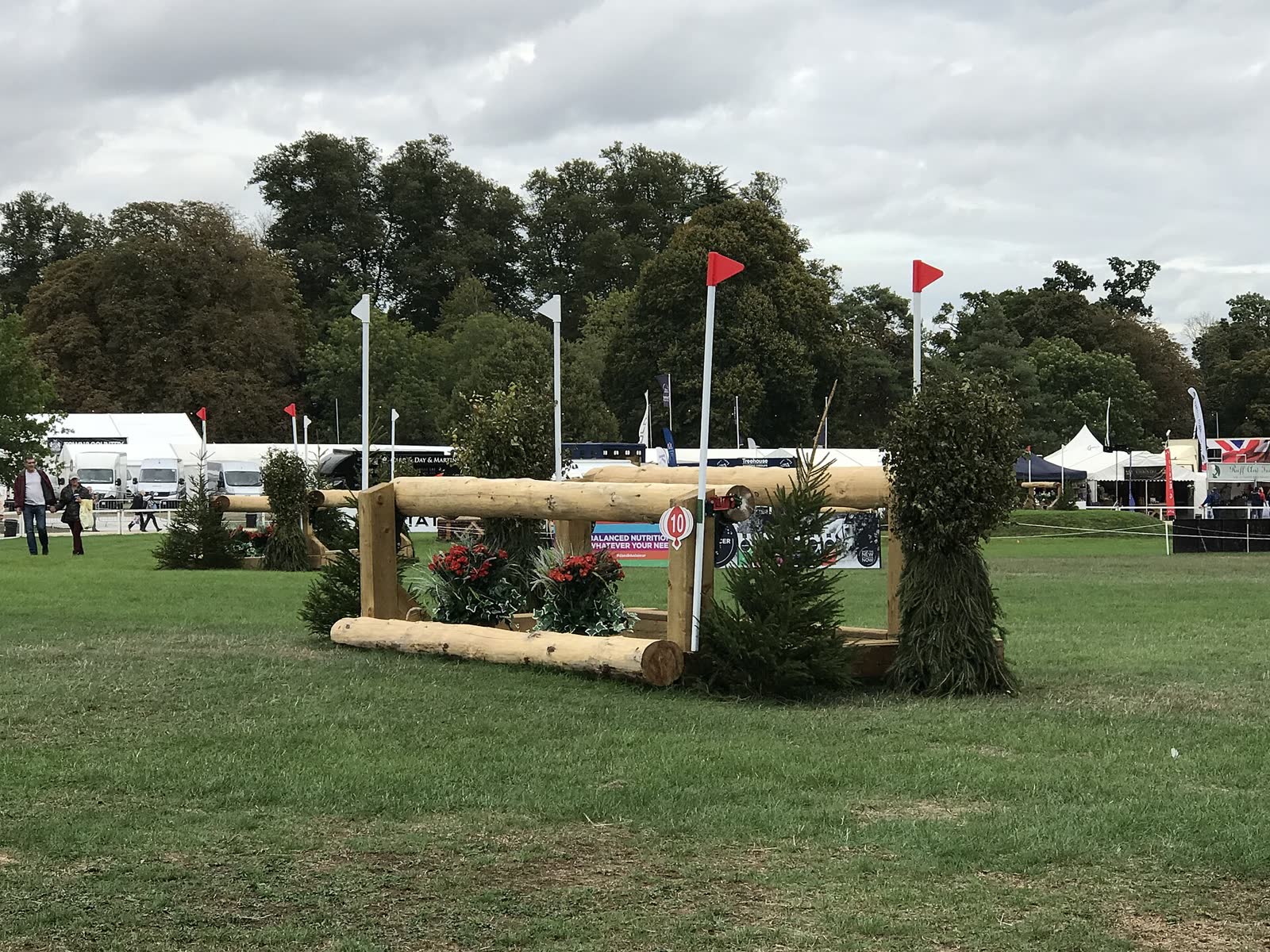
British Eventing announced on 26 October that it is setting up an independent body, the Eventing Horse and Rider Safety Commission, to carry out a broad review of horse and rider safety in the sport. The FEI, British Equestrian and the British Eventing Support Trust are taking part. The commission is expected to finish within six months and publish its findings along with prioritised recommendations.
In eventing, one horse completes dressage, cross-country (an outdoor course of fixed obstacles across open country) and show jumping in turn.
Who is involved and what will be examined
The commission is led by Dame Caroline Spelman, a former Secretary of State for Environment, Food and Rural Affairs. She was until recently a board member of the British Horse Society. A majority of members will be independent of British Eventing's operations, and eventing specialists will sit alongside people from motorsport, horse welfare, academia, and risk and governance. Stakeholder groups have also been formed for different areas: Harry Meade leads the professional riders' group and Mark Phillips the coaches' group.
The review will cover:
- safety data and trends, rules and competition structures
- course design, construction and officiating
- horse and rider preparation, training and accreditation
- medical, veterinary and emergency provision
- safety culture, governance, and the use of technology and research
It will also compare eventing in Britain with international practice and with lessons from other sports and sectors. British Eventing said the aim is not to reinvestigate individual incidents or assign blame.
Background and reactions
Since the Hartington Report in April 2000, British eventing has improved safety through research and data, course design and construction standards, frangible fence technology designed to give way on impact, and rider education. The British Eventing board said that, with more than two decades of data collected and several recent serious incidents, now is the time for a broad independent review.
British Eventing chair Julia Mulligan said the review is deliberately separate from the organisation's operations, adding: "This is bigger than any one organisation." David O'Connor, the Olympic gold medallist who leads the FEI Eventing Committee, said the results could benefit horses and riders well beyond Britain.
Next steps
Riders, owners, coaches, organisers, officials, course designers and builders, medical and veterinary professionals, researchers and others will be able to submit evidence. The British Horse Society, British Riding Clubs, The Pony Club and organisers of unaffiliated eventing have also been invited to take part. The commission will publish its findings and recommendations when its work is complete.