
News
KRA seeks mandatory registration for retired racehorses, full survey next year
· 2 min read
On 5 November the Korea Racing Authority announced its plan for tracking retired racehorses. It is pushing for a law that makes horse registration and change reports mandatory, and next year it will check every racehorse retired from 2022 to 2026 in person.
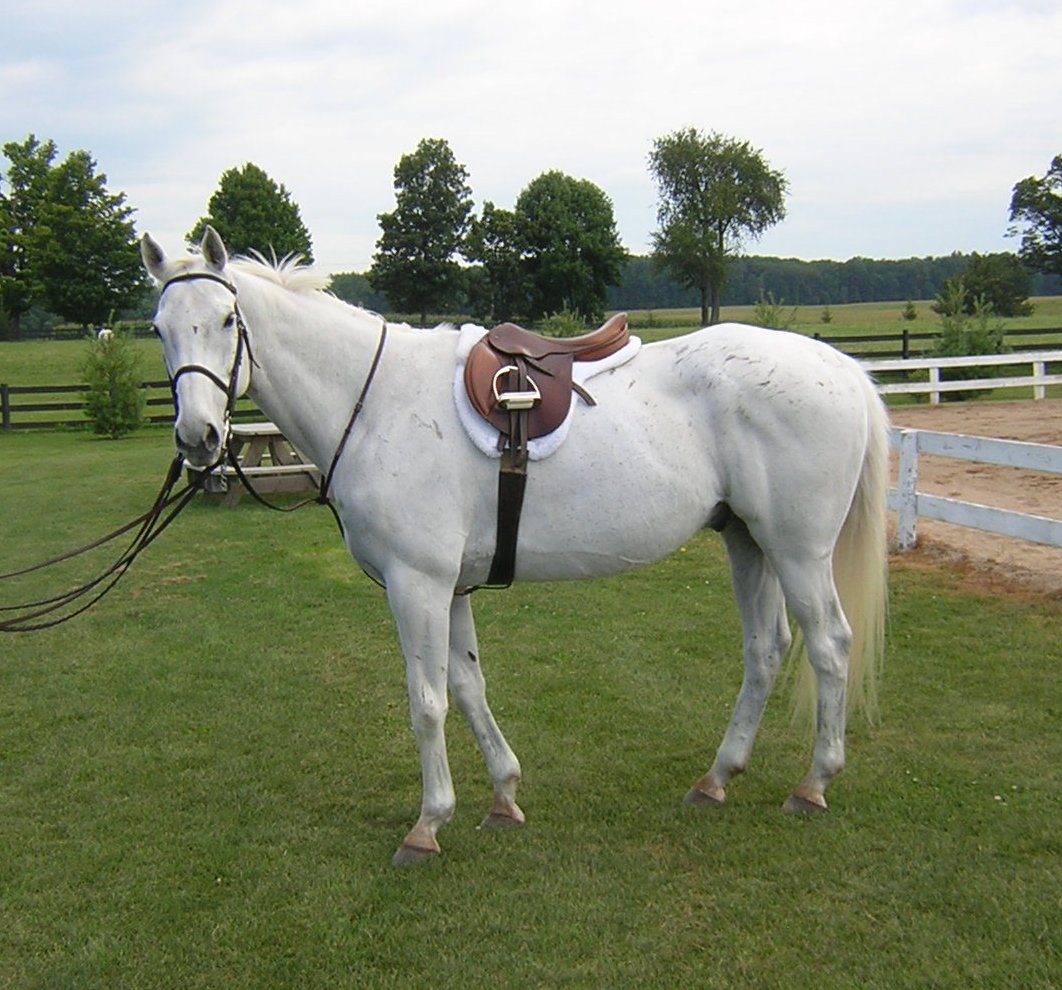
The Korea Racing Authority (KRA, 한국마사회) said on 5 November that it is putting into action its comprehensive plan for managing the records of retired racehorses, which aims to track where they go and how they are kept. It is pushing for a legal change that would make horse registration and change reports mandatory, and next year it will check in person every racehorse that retired between 2022 and 2026.
Mandatory reporting and a full survey next year
According to Yonhap and Newsis, about 1,300 racehorses retire in Korea each year and move on to other uses, such as riding or breeding. Registration and change reports are currently left to owners, however, so once a horse is sold privately it has been hard to know where it is.
The KRA is pushing for an amendment to the Horse Industry Promotion Act that would require owners to report a horse's registration, acquisition, change of location and death. Newspim reported that the bill was introduced by lawmaker Moon Dae-rim and includes fines for failing to register or for false reports. To reduce the gap before the law changes, the KRA has also revised its internal rules. It has dropped the late-reporting fee to encourage voluntary reports, and it has written into its rules the authority to correct registration records itself once field checks confirm the facts.
Tracking is also being widened. The KRA now shares information in real time with the main dealers that handle about 40% of retired racehorses leaving the racetrack, and it receives slaughter records from animal health laboratories across the country. According to Newspim, riding facilities and farms can now file registration and change reports by mobile phone without signing up for a separate portal, and a new function lets records be corrected at once when a horse listed as dead is found alive on site.
In next year's full survey, external registration inspectors will check each horse's name, registration number, use, actual owner and living conditions in person. The results will be entered into Horsepia, the horse registration system, to remove the gap between the records and the reality on the ground.
The July plan and the October audit
The KRA first released a plan under the same name on 16 July, setting out three strategies and nine tasks, including a shift to mandatory reporting, more detailed forms for horses leaving the racetrack and nationwide collection of slaughter records. This announcement sets out how that plan is being carried out and when the full survey will take place.
At the KRA's parliamentary audit on 16 October, lawmaker Moon Geum-ju pointed out that only 70% of the horses registered in Horsepia could be found on site. According to BetaNews, 4,187 retired racehorses were written off in the records as dead or missing over the past two years without their whereabouts being confirmed. The KRA called the new plan a key task for improving horse welfare and building trust in the horse industry, and said it would complete a system for tracking horses over their whole lives. Whether the amendment passes the National Assembly, and what next year's survey finds, are the next things to watch.