
News
Audit finds 30% of registered horses in Korea cannot be located
· 2 min read
At the 16 October parliamentary audit of the Korea Racing Authority, an analysis showed that only 70% of the 31,546 horses registered in the Horsepia system were confirmed on site. Vaccination records for horses that had already died were also raised.
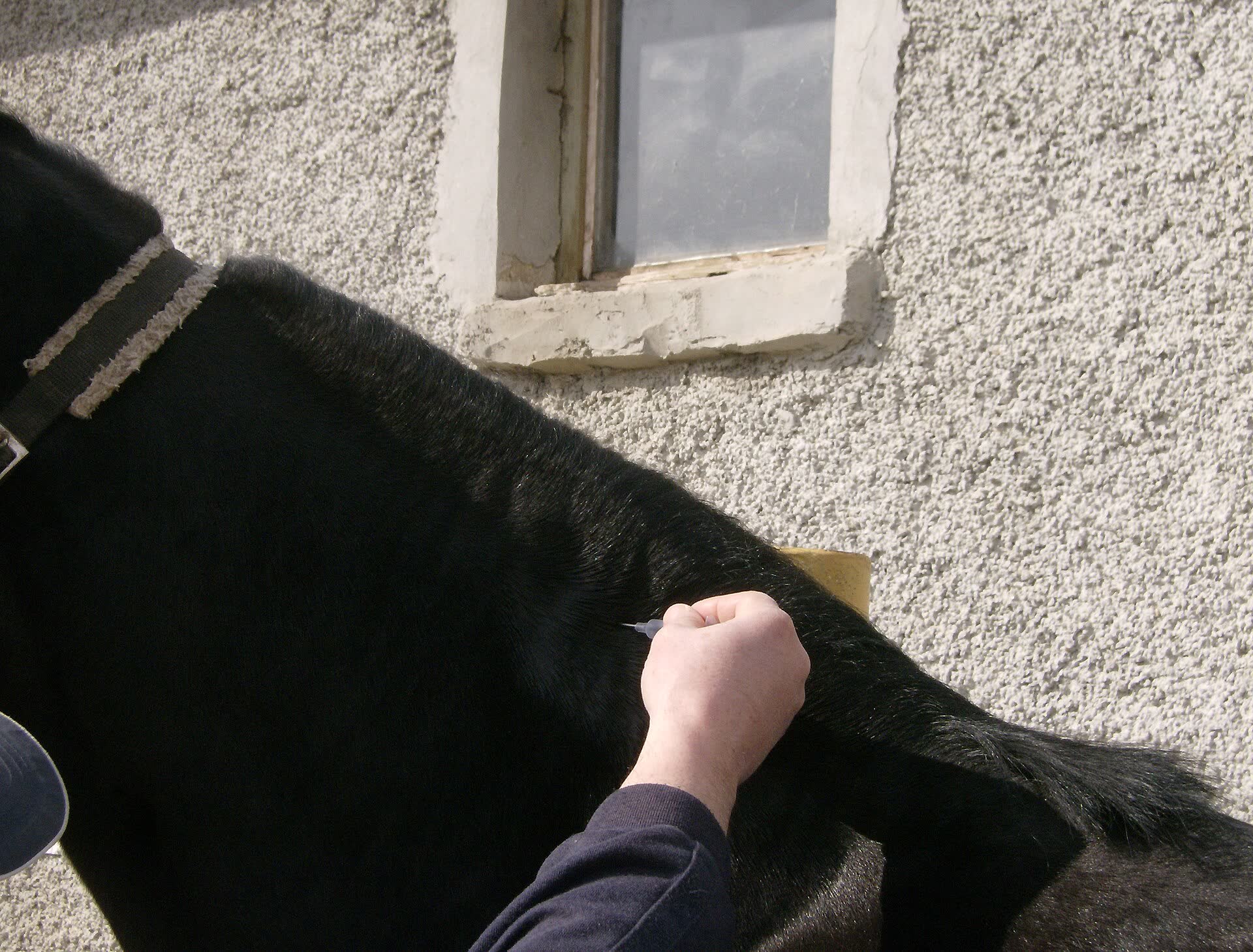
About three in every ten horses registered in Korea cannot actually be located, according to findings presented at a parliamentary audit. Moon Geum-ju, a member of the National Assembly's Agriculture, Food, Rural Affairs, Oceans and Fisheries Committee, analysed the Korea Racing Authority's (한국마사회) horse industry survey at the authority's audit on 16 October. She said the registration data in Horsepia, the authority's horse industry information system, differs widely from the horses actually being kept.
22,145 of 31,546 registered horses confirmed on site
According to Betanews and Korea Rural Economic News, of the 31,546 horses registered in Horsepia, only 22,145, or 70%, were confirmed to exist on site. The rest had already died or could not be traced. In the other direction, 2,567 horses were found being kept without registration.
A sample check of three horse dealers showed a wider gap. Their records listed 365 horses, but only 11 were found; the other 354 had been sold or had died without the records being updated. One dealer had not kept a single horse since the 2017 survey, yet was still listed as the owner of 142 horses.
Retired racehorses showed the same problem. Over the past two years, 4,187 horses whose whereabouts could not be confirmed were written off in the records as dead or missing, but there was in practice no procedure to trace them afterwards. In some cases, 142 horses that had already been slaughtered or euthanised were counted among horses being kept in the survey. Moon said the authority held slaughter and euthanasia data but did not cross-check it.
Reliance on self-reporting seen as the cause
At present, when a horse is sold or dies, the owner must report it within 30 days, but there is no penalty beyond a late-reporting fee. Article 7 of the Horse Industry Promotion Act only provides the basis for registration and does not require owners to report changes of ownership, retirement, death, slaughter or change of use. Moon said the approach must shift "from racehorse registration management to managing a horse's whole life history", and that she would seek to amend the act so that ownership changes, movements, death and slaughter are all kept in a single record.
Vaccination records for dead horses
On the same day, Moon also pointed to weak checks in the horse vaccination support programme, which the authority runs on behalf of the Ministry of Agriculture, Food and Rural Affairs. According to Betanews, a review of 1,124 horses that had been slaughtered or euthanised found that 54 (4.8%) were recorded as vaccinated after they had died. Of these, 20 involved identification files that had been altered or added to without authorisation, and 13 were based only on the owner's statement without a microchip check. Moon called for the verification system to be rebuilt, including microchip identity checks and matching against slaughter and death records.