
Horse science
Pony height standards
· 4 min read
In international competition a pony is a horse measuring up to 148 cm (about 14.2 hands) at the withers. Limits still differ between countries and organisations, and some breeds, such as the Arabian, count as horses even when they are small.
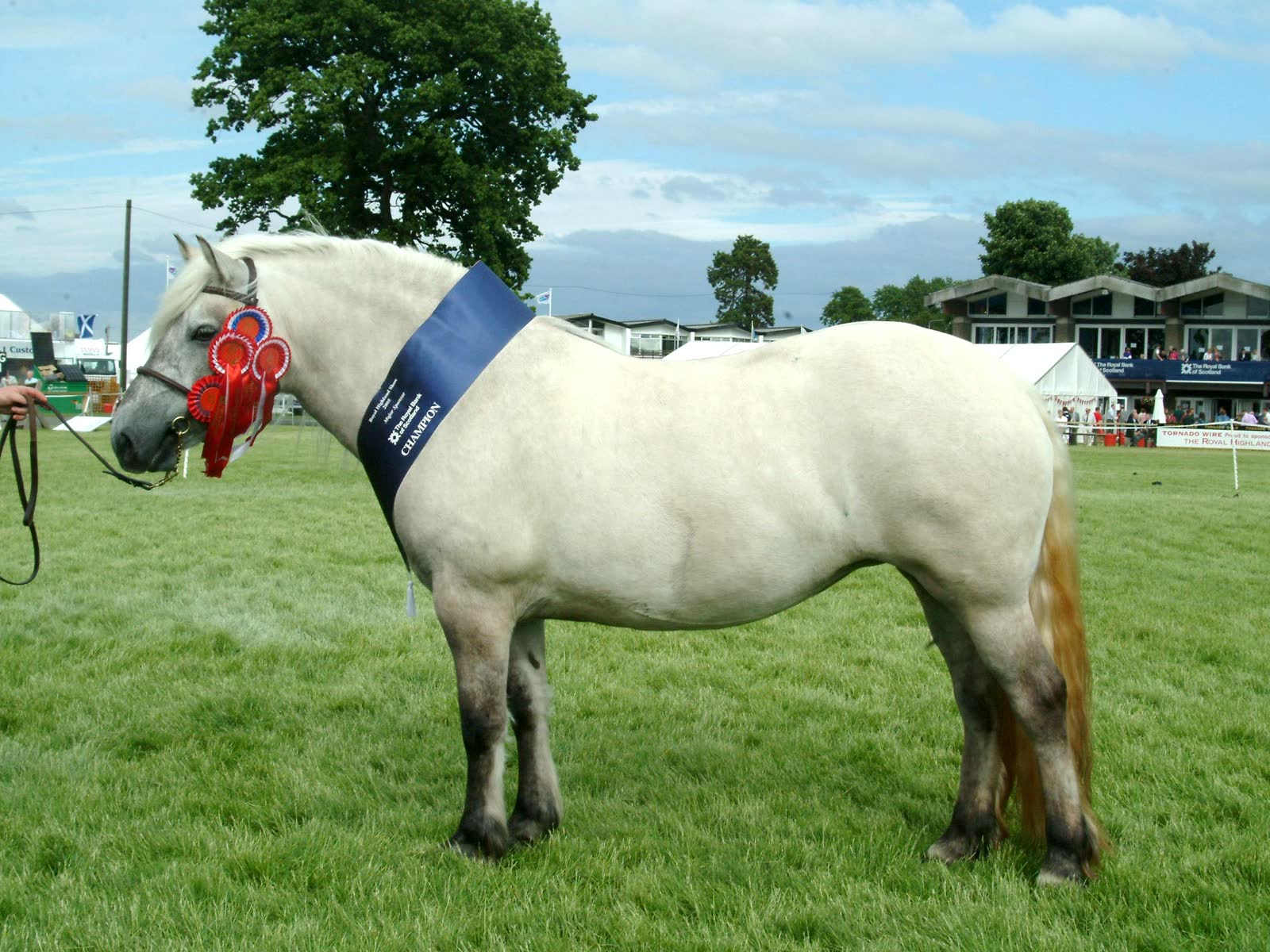
A pony is not a separate animal. It is a small horse that stays under a set height when fully grown. The cut-off used in many competitions is 14.2 hands, or 58 inches (about 147 cm), measured at the withers, the ridge between the shoulder blades. The International Federation for Equestrian Sports (FEI) sets the line in metric: up to 148 cm without shoes and 149 cm with shoes. That single number does not settle everything, though. Limits vary between countries and organisations, and sometimes breed and build count for more than height.
There is more than one standard
According to the Wikipedia article on ponies, the upper limits set by breed registries and competition bodies range from about 14 hands (about 142 cm) to 14.3 hands (about 150 cm). Australia is unusual: ponies there are under 14 hands, and horses of 14 to 15 hands (about 142 to 152 cm) have their own name, "galloway".
The hand comes from the width of a palm, and one hand is 4 inches. The figure after the point is inches, not a decimal, so 14.2 hands means 14 hands and 2 inches.
In showing, ponies are often split again by size. A common division is:
- Small ponies: 12.2 hands (about 127 cm) and under
- Medium ponies: over 12.2 hands and up to 13.2 hands (about 137 cm)
- Large ponies: over 13.2 hands and up to 14.2 hands
Even within one breed the line moves from country to country. The Welsh Pony Section A (Welsh Mountain Pony) may not exceed 12 hands (about 122 cm) in the United Kingdom or 12.2 hands in the United States. Section B has an upper limit of 13.2 hands in the UK and 14.2 hands in the US. The largest, Section D (the Welsh Cob), works the other way: it must be taller than 13.2 hands and has no upper limit. It is an example of a breed settling the horse-or-pony question by creating separate sections.
When height is not the deciding factor
Some breeds are not called ponies even when individual animals stand under 14.2 hands. The Arabian, the Icelandic horse, the American Quarter Horse and the Morgan are the main examples. Each has members both above and below 14.2 hands, but they are classed as horses because of their build, traditional uses and physiology. In such cases the breed registry usually has the final word.
The opposite also happens. Horses used for polo are often of Thoroughbred breeding and can be well over 14.2 hands, yet by custom they are called "polo ponies". The Pony Club, a youth riding organisation, calls any mount ridden by a member a pony, whatever its size or breed.
The very smallest equines are often called miniature horses rather than ponies. They usually stand a little over 100 cm or less, but they have been bred to show the build of a full-sized horse in miniature, so breeders and organisations call them horses.
Environment can change height too. The Chincoteague pony, which lives wild on Assateague Island in the United States, often grows to the height of a small horse when it is raised by people from foalhood.
A pony's build
Ponies can be recognised by more than their height. Their legs are short for their body, the barrel is round and wide, and the bone is heavy. The neck is thick, the head short, the eyes large and the ears small. They have strong hooves and a heavy coat, with a full mane and tail and a particularly thick winter coat.
This build reflects their history as working animals bred in places with harsh cold and scarce food. Ponies are strong for their size and, pound for pound, can pull and carry more than a horse. Some breeds, such as the Connemara pony, can carry an adult rider.
What to know about care
Most ponies are "easy keepers" that do well on little feed. They need about half the hay of a horse of the same weight and often need no grain at all. That same trait makes them more vulnerable to laminitis (inflammation of the tissue inside the hoof), Cushing's disease and hyperlipidaemia. Match the amount of feed to the pony's size, and talk to a vet if the pony gains weight or starts to move unevenly.
Ponies are often described as stubborn. Wikipedia explains that this reputation usually comes down to training. A pony ridden only by inexperienced people may develop habits nobody corrects and become hard to handle, while a properly trained pony is a suitable mount for children learning to ride. It is also worth remembering that there is no direct link between a horse's size and its athletic ability.