
Riding
What eventing tests
· 4 min read
In eventing, the same horse and rider complete dressage, cross-country and show jumping, and every result is turned into penalties. The lowest total wins, and cross-country, ridden over an open outdoor course, carries the most weight.
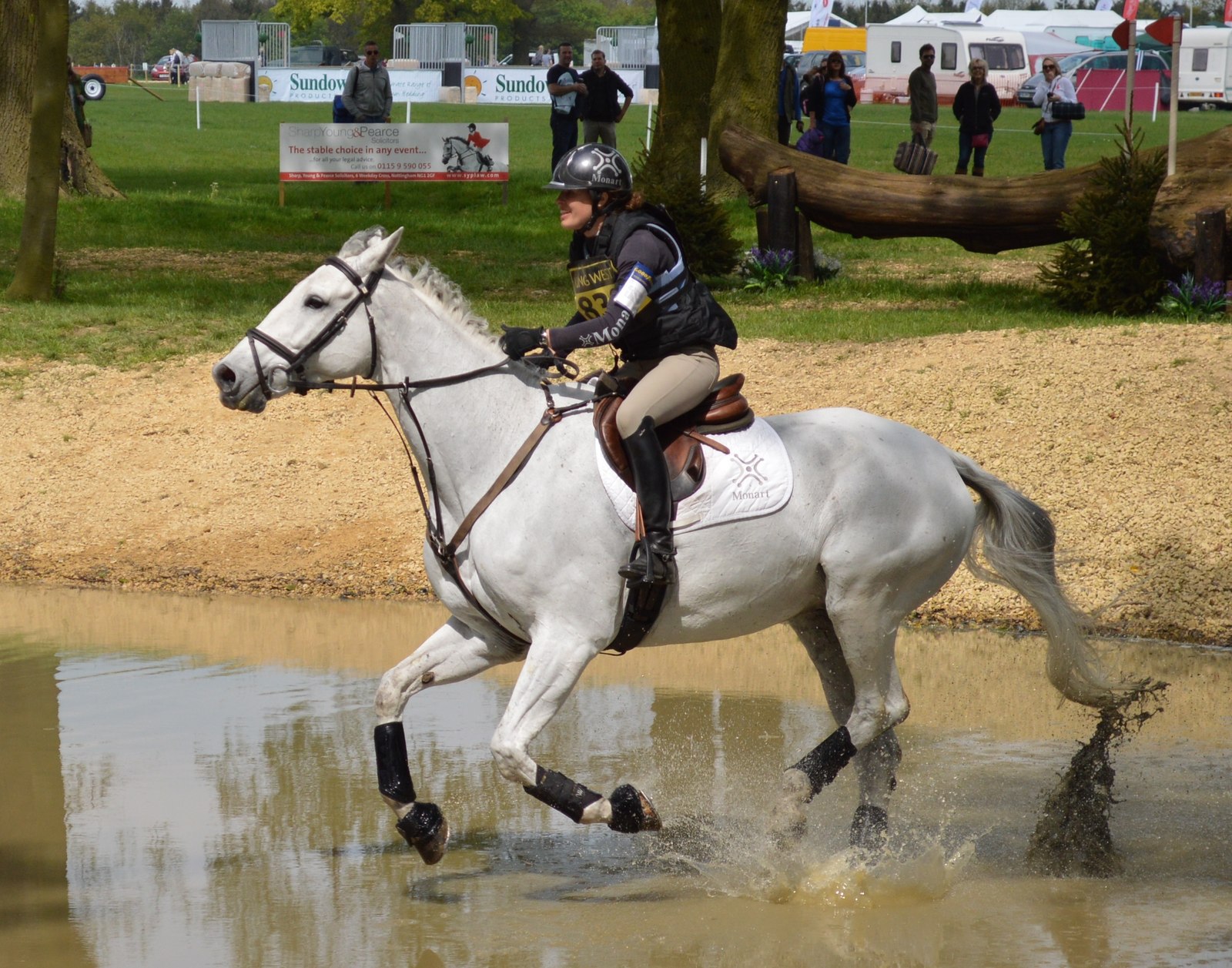
Eventing is a discipline in which one horse and rider complete three tests: dressage, cross-country and show jumping. The result of each test is converted into penalties, the penalties are added together, and the lowest total wins. Elimination in any one test means elimination from the whole competition. In Britain it is also called the three-day event.
From cavalry test to Olympic sport
According to Wikipedia, eventing grew out of a broad test of cavalry horses. Dressage showed the obedience and elegance needed on the parade ground. Cross-country tested stamina and courage over difficult terrain. Show jumping checked that the horse was still sound and fit after the hard cross-country day. Eventing has been on the Olympic programme since the 1912 Stockholm Games, and at first only serving military officers could take part. Women have competed since 1964, and equestrian sport is one of the few Olympic sports in which men and women compete against each other.
In the old format, cross-country day began with roads and tracks, then a steeplechase (a section ridden at very high speed over fences), then more roads and tracks, before the main course. From the 2004 Athens Olympics a short format without these earlier phases was used, and today most events run this way.
Order of tests and competition formats
The FEI Eventing Rules grade difficulty with stars, from 1* to 5*, and recognise two formats.
- Long format (CCI-L): runs over three or more days. Cross-country follows the day after dressage, and jumping follows the day after that. Cross-country always comes before jumping. The course is long, so the horse's fitness decides the result.
- Short format (CCI-S): runs over one or more days. Dressage comes first, and jumping and cross-country take place on the same or following days, with cross-country preferably last. The star level is the same, but the course is shorter and the efforts are more intense.
At long-format events there are two horse inspections, one before dressage and one before jumping. The ground jury and the veterinary delegate look at each horse, led in hand, both standing and moving. If they judge a horse unfit to continue, for lameness or lack of condition, they can eliminate it. The inspections are open to the public.
How penalties add up
In dressage, the judges' marks are converted into a percentage of the maximum, and that percentage is subtracted from 100 to give penalties. A score of 70% becomes 30 penalties. The overall mark for the harmony of horse and rider carries a coefficient of two. According to Wikipedia, even at the top level the test does not include Grand Prix movements such as piaffe, passage or canter pirouette.
Cross-country is scored under Article 548 of the FEI rules.
- First refusal, run-out or circle at an obstacle: 20 penalties; second at the same obstacle: 40 penalties
- Third refusal on the course, or a fall of horse or rider: elimination
- Activating a frangible device (one built to collapse under impact) so that the fence dimensions change: 11 penalties
- Missing one of the flags marking an obstacle: 9 penalties; dangerous riding: 25 penalties
- Exceeding the optimum time: 0.4 penalties for each second commenced; exceeding the time limit, twice the optimum time: elimination
Finishing faster than the optimum time earns nothing. In show jumping, a knock-down and a first refusal cost 4 penalties each, a second refusal or a fall means elimination, and each second over the time allowed costs 0.4 penalties. When totals are equal, the better cross-country score ranks higher.
Why cross-country carries the weight
One refusal at 20 penalties equals five knock-downs. Wikipedia explains that when the penalty system was introduced in 1971, the intended weighting of cross-country, dressage and show jumping was, in theory, 12 to 3 to 1. The aim was to stop a horse that was only good at dressage from winning after a poor cross-country round.
The courses are large. Under Annex A of the FEI rules, a 5* long-format cross-country course is 6,270 to 6,840 metres long, with 40 to 45 jumping efforts, ridden at 570 metres per minute, and takes 11 to 12 minutes. Fixed obstacles are at most 1.20 metres high at 4* and 5* level, and solid structures such as logs and stone walls are mixed with water, ditches, banks and drops. Wikipedia describes this phase as demanding excellent fitness and courage from both horse and rider, and trust in each other.
In the final show jumping test, the maximum fence height is 1.30 metres even at 5* level. According to Wikipedia, this test is usually held after cross-country and examines suppleness, obedience and remaining fitness as well as technique. Unlike the fixed cross-country obstacles, these fences are built to fall when hit, and each knock-down adds 4 penalties.