
Horse science
Reading a Horse's Ear Signals
· 4 min read
Horses use about ten muscles to turn each ear independently through up to 180 degrees. Where the ears point usually shows where the horse's attention is, and ears pinned back can be a warning, but ears should be read together with the situation and the rest of the body.
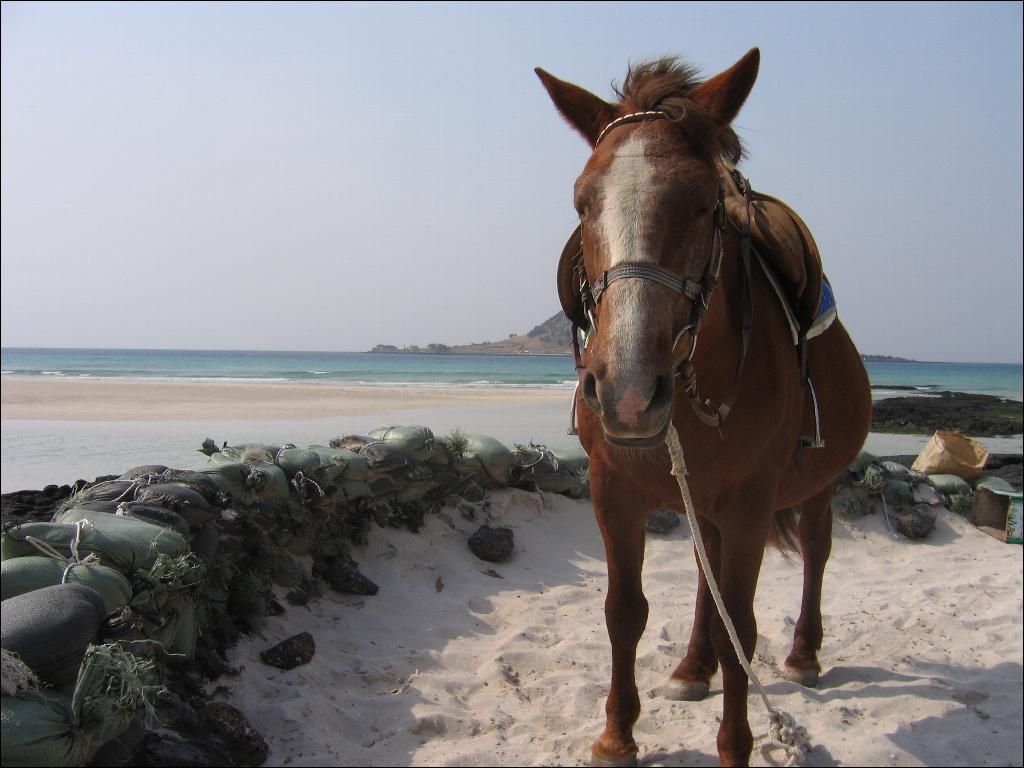
A horse's ears collect sound, and they also show the outside world how the horse is feeling. According to Iowa State University Extension and Outreach, horses use about ten muscles to turn each ear independently through up to 180 degrees, so they can locate a sound and funnel it in. Where the ears point is usually where the horse's attention is, and ears pressed tightly back towards the neck can be a warning. Even so, an ear position should not be judged on its own. Look at it alongside the horse's usual behaviour, the situation and the rest of its body language.
Why the ears move so much
Horses move their ears constantly to listen and keep track of their surroundings. The same source explains that horses hear a wider range of sounds than people and are generally better at hearing both higher and lower frequencies. A horse can turn its ears towards a sound first and then turn its body the same way. Hearing can decline with age, and this may show up as changes in behaviour, such as not responding to voice cues or becoming more anxious than before.
The Equine Facial Action Coding System (EquiFACS), designed to record horses' facial movements objectively, divides ear movements into four types.
- Ears forward: The ears turn towards the front. From the front, more of the inside of the ear is visible and the tips of the ears come closer together.
- Ear adductor: The ears are drawn towards the midline of the head, narrowing the gap between them.
- Ear flattener: The ears lie flat against the head or neck and spread outwards.
- Ear rotator: The ears turn sideways and backwards, so the ear openings face outwards. It is the opposite of ears forward and can happen at the same time as the ear flattener.
The EquiFACS paper notes that the ears often move independently, so if one ear is out of sight, you should not assume both ears moved the same way. Each horse also has its own neutral position. Knowing where a horse holds its ears at rest makes it possible to tell a new movement from a return to neutral. The system only records movements; it does not say what emotion a movement means.
What ear positions look like
Iowa State University reads ear positions as follows.
- A horse paying attention to everything around it keeps moving its ears in all directions.
- A relaxed or drowsy horse has loose, drooping ears, with the openings facing forward or to the side. In a neutral state the ears are held loosely upright.
- Ears pointed forward mean the horse is interested in something in front of it. Ears held stiffly forward with flared nostrils mean the horse is anxious and highly focused on what lies ahead.
- When a horse is ridden and its ears tilt back so the openings face the rider, it is usually paying attention to the rider or listening for cues.
- Ears laid tightly back against the top of the neck show aggression or annoyance and are a warning to other horses or people. Take care when approaching or working around a horse holding its ears like this.
Horses also read each other's ears. In an experiment published in Current Biology in 2014, 24 horses were shown a photograph of another horse looking towards one of two buckets. They fed more often from the bucket the pictured horse was looking at. When the pictured horse's eyes or ears were covered, their choices dropped to chance. The researchers concluded that horses judge another horse's attention from the eyes and ears as well as the direction of the head.
Points for riding and horse care
Ears held back for long periods under saddle are also used as one clue to pain. The Ridden Horse Pain Ethogram, developed by Dyson and colleagues, lists 24 behaviours. One of them is "ears rotated back behind vertical or flat, one or both, for five seconds or more, or repeatedly laid flat." In this ethogram, eight or more of the 24 behaviours suggest that musculoskeletal pain is likely. A study applying it to 60 horses also found that a score of eight or more was a good indicator of musculoskeletal pain.
The Horse Grimace Scale, developed by observing 40 stallions after castration, also includes "stiffly backwards ears" among the six facial changes that indicate pain.
- Look at the ears before you approach. If they are pinned back, do not rush; first work out what the horse is reacting to.
- Under saddle, one ear turned towards the rider may simply mean the horse is listening for cues. If the ears stay back for a long time or are repeatedly laid flat, check the horse's other behaviour too.
A common misconception: ears back means angry
Ears back do not always mean aggression or pain. A PeerJ study analysed 805 facial behaviours exchanged between 36 horses living in two groups. In friendly interactions, ears forward were relatively rare, and ears turned back or flattened were common. The researchers advise against reading ears back or flattened as aggressive intent or pain straight away, and recommend considering the wider context. In the same study, ears forward and ears drawn together were linked to situations in which the horse was paying attention to something.
Equally, forward ears do not always mean a relaxed horse. A horse with its ears held stiffly forward and its nostrils flared may be tense about something ahead. Ears are read more accurately together with head height, neck tension, the eyes and the nostrils. If a horse's ear movements or behaviour change from normal and stay that way, pain or a change in hearing could be involved, so consult a vet.
Sources
- Iowa State University Extension and Outreach, The Horse's Ears and Hearing
- PLOS ONE, EquiFACS: The Equine Facial Action Coding System (2015)
- Current Biology, The eyes and ears are visual indicators of attention in domestic horses (2014)
- PeerJ, An ethogram of facial behaviour in domestic horses
- PLOS ONE, Development of the Horse Grimace Scale (HGS) (2014)
- Animals (PMC), Application of a Ridden Horse Pain Ethogram in 60 Riding Horses