
Horse science
Horse Coat Colour Names: Chestnut, Bay, Dark Bay and Grey
· 4 min read
In Korea Racing Authority horse registration, coat colour is the first thing checked when identifying a horse, and it is recorded as one of five colours. Looking at whether the mane, tail and legs are black, as well as the body colour, separates most of them.
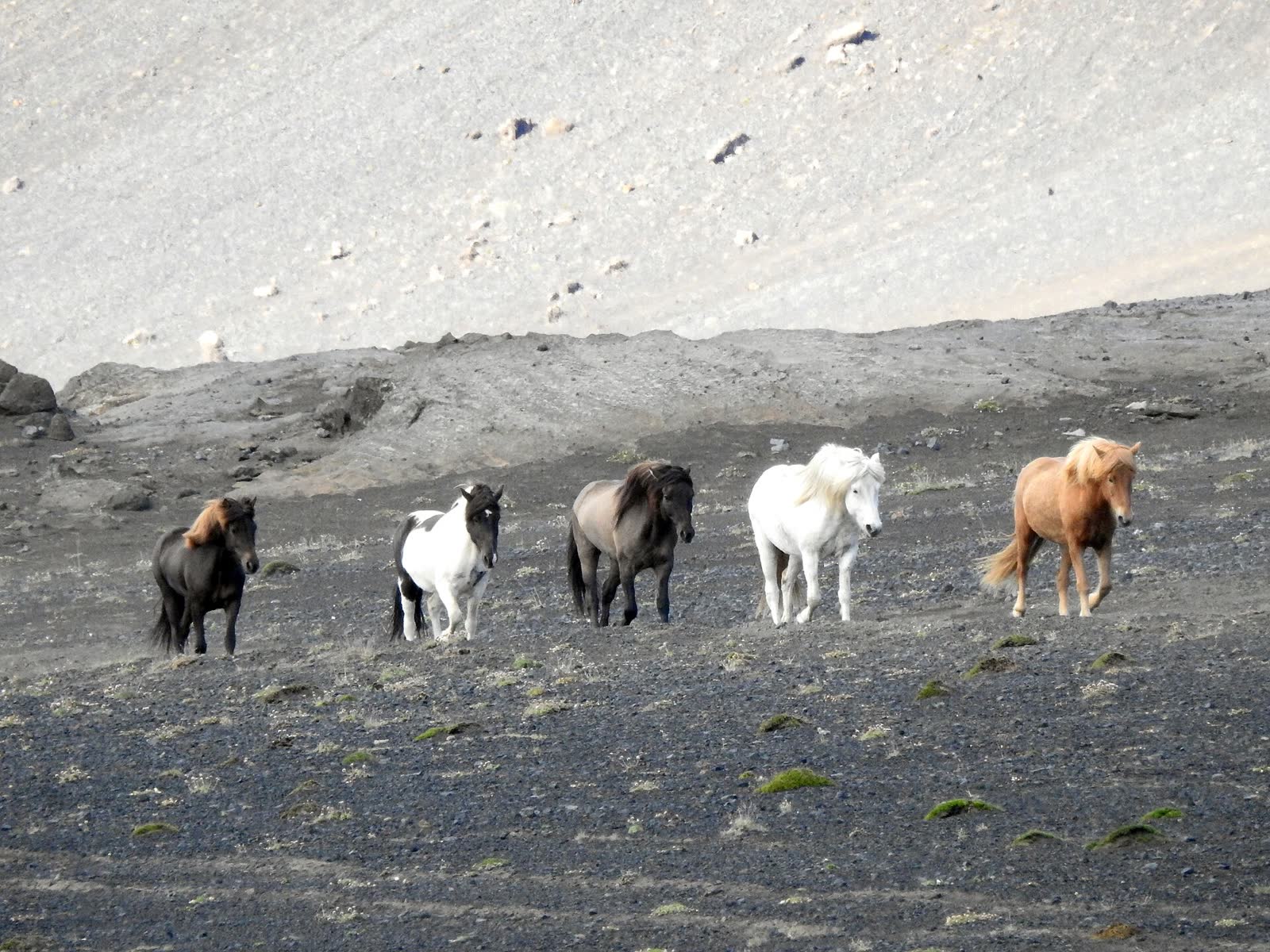
A horse's coat colour is the first clue to who it is. The individual identification guide used for horse registration by the Korea Racing Authority (한국마사회) treats coat colour as "the top consideration in identifying an individual horse" and records it as one of five colours: chestnut, bay, dark bay, black and grey. The names suggest that body colour is what matters, but the real dividing line is whether the mane, tail and lower legs are black. Grey is a special case, because the colour changes as the horse ages.
Two genes that set the coat colour
The Veterinary Genetics Laboratory (VGL) at UC Davis in the United States describes three base coat colours, chestnut, bay and black, and explains them as combinations of two genes.
- Red factor (MC1R): This gene decides whether red or black pigment is made. A horse with two copies of the recessive, non-functional version makes only red pigment and is chestnut.
- Agouti (ASIP): This gene decides where black pigment goes. The dominant version keeps black pigment to the mane, tail, lower legs and ear rims, producing a bay. A horse with two copies of the recessive version has black pigment spread evenly over the body and is black.
Some things therefore cannot be seen from the outside. According to the same source, you cannot tell by appearance alone whether a chestnut horse carries the genes to produce a black foal; genetic testing can help.
Telling chestnut, bay, dark bay and black apart
The definitions in the KRA identification guide can be summarised as follows.
- Chestnut: The body is chestnut, or reddish on a yellowish base, and the legs, tail and mane are the same colour as the body.
- Bay: The body is brown with red and yellow tones, but the tail, mane and all four legs are black.
- Dark bay: As in a bay, the tail, mane and four legs are black, but the body has a deeper black tone than a bay, between bay and black. A horse that is black all over except for brown around the eyes, the nose, the armpits and the flank hollow (the dip below the flank) is also classed as dark bay.
- Black: The horse is black all over, including the muzzle, flank hollow, mane and tail. If any part shows brown or tan, it is classed as dark bay.
In practice, it helps to look at the mane and legs first. A horse with a reddish-brown body is a bay if its mane and legs are black, and a chestnut if they match the body. A horse that looks black but has brown hairs on the tip of the nose or around the eyes is a dark bay.
Grey changes as the horse grows
In the KRA definition, grey is a mix of black and white hairs. When the horse is young, white hairs appear sparsely, like scattered grey hairs on a person, and the coat gradually turns grey as the horse grows. The Wikipedia article on grey horses explains that a grey horse can be born any colour, including chestnut, bay or black. White hairs usually appear first around the muzzle, eyes and flanks, typically by the age of one. The grey gene is dominant, so a single copy from one parent is enough to make a horse grey.
The way a horse greys varies widely. Some develop round dapples for a time, and some that have turned almost white later develop small coloured speckles. Because the same horse can look a different colour from year to year, the colour on its registration papers sometimes has to be changed. VGL notes that grey horses are at risk of melanoma (a tumour of the pigment-producing cells), so if you notice lumps on a grey horse's skin, consult a veterinarian.
Dilution genes that lighten the base colour
The KRA classification puts white, cream, palomino and similar colours in a separate "other" group, as colours that are rare worldwide. VGL explains colours such as cream and palomino through dilution genes, which reduce the amount of pigment. Dilution genes act on top of the base colours described above.
- Cream: One copy is enough to show an effect. On a chestnut base it produces a palomino, and on a bay base a buckskin. With two copies, a chestnut base becomes a cremello and a bay base a perlino, both a very pale cream.
- Dun: This gene lightens the body but leaves the head, lower legs, mane and tail undiluted, and it also produces what are called primitive markings.
- Silver: This gene lightens only black pigment and has no effect on red pigment, so it does not show on a chestnut. The mane and tail lighten to flaxen or silver grey, and horses with this gene also have a congenital eye condition.
Roan, where white hairs are mixed evenly through the body coat, is also easy to confuse with grey. According to VGL, a roan differs from a grey in that the head, lower legs, mane and tail keep their colour.
A common misconception: every white horse is a true white
Most horses that look white all over are actually greys. According to the Wikipedia article on grey horses, a grey whose coat has turned completely white still has black skin and dark eyes. A true white horse, white from birth, usually has pink skin. Parting the hair or checking the skin around the eyes and muzzle tells the two apart.