
Horse science
Naming White Leg Markings: Banbaek and Jangbaek
· 4 min read
Korean registration names leg markings by whether the white stays below the top of the fetlock (sobaek, banbaek, baek) or rises above it (jangbanbaek, jangbaek), and by whether it fully circles the leg. Research does not support the idea that white hooves are weaker.
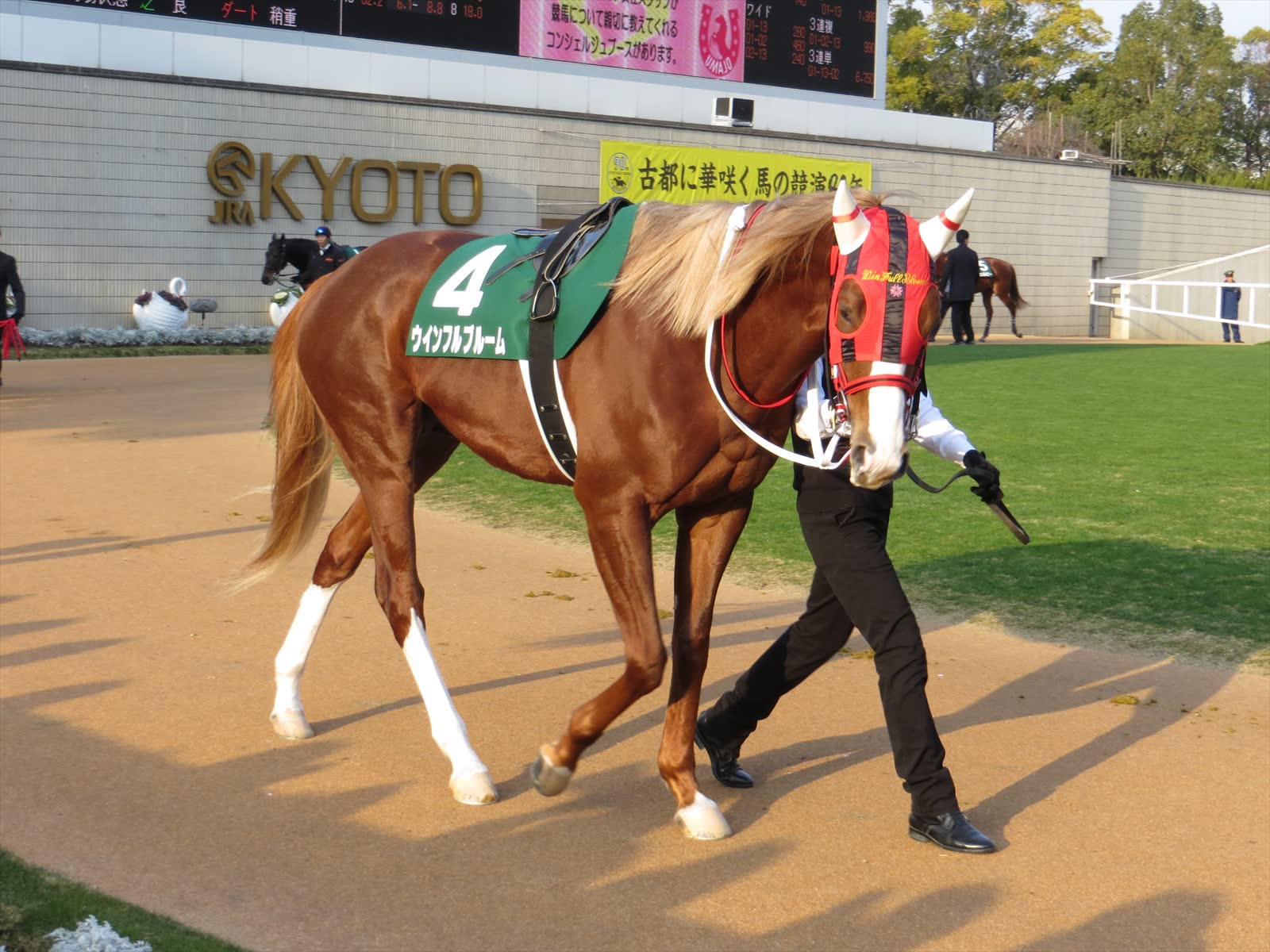
White leg markings, together with face markings, are a key clue for telling one horse from another. The individual identification guide used for horse registration by the Korea Racing Authority (한국마사회) divides leg markings into five types: sobaek, banbaek, baek, jangbanbaek and jangbaek. Two questions decide the name. Does the white reach above the top of the fetlock joint? And does it, at any height, go all the way around the leg?
The reference points: coronet and fetlock
To tell the names apart, you first need the names of the lower leg. The band just above the hoof, where hair meets horn, is the coronet. Above it is the pastern, and above the pastern is the rounded joint called the fetlock. Above the fetlock runs the cannon bone, which reaches the knee on a foreleg and the hock on a hind leg.
The guide treats all white leg markings as white marks, meaning areas of clear, dense white hair. On the horse diagram in the registration papers they are outlined in red pen. Identification follows a set order: coat colour, sex, any brand or tattoo, the head and neck, then the left foreleg and hind leg, the body and tail, and finally the right foreleg and hind leg. Because each of the four legs can carry a different marking, each leg is recorded separately.
Five names: sobaek, banbaek, baek, jangbanbaek, jangbaek
Markings that stay below the top of the fetlock fall into three types.
- Sobaek: a white mark on the coronet that covers no more than half of the coronet's circumference
- Banbaek: a white mark below the top of the fetlock that is larger than a sobaek but does not fully circle the leg at any point
- Baek: a white mark below the top of the fetlock that fully circles the leg at one point or more
When the white rises above the top of the fetlock, the prefix jang, meaning "long", is added.
- Jangbanbaek: white that reaches above the top of the fetlock but does not fully circle the leg at any point
- Jangbaek: white that fully encircles the top of the fetlock and extends above it
Put simply, ban ("half") marks white that does not go all the way round, and jang ("long") marks white that climbs past the fetlock. Two markings of the same height can therefore have different names: if the white is broken at the back of the leg it is a banbaek, and if it forms an unbroken ring it is a baek. That is why leg markings should be checked from the side and from behind, not just from the front.
Comparing the English names
In English, a leg marking is named after the highest point the white covers. From tallest to shortest, the common terms are stocking (at least to the bottom of the knee or hock), sock (higher than the fetlock but short of the knee or hock), fetlock (covering the fetlock), pastern (starting above the hoof and stopping below the fetlock) and coronet (just above the hoof around the coronary band, usually no more than 2.5 cm above the hoof). White that rises above the knee or hock and spreads onto the flank or belly is called high white and is considered characteristic of the sabino pattern.
The English names divide height into finer steps, while the Korean system uses the fetlock as a single dividing line and instead asks whether the white circles the leg. As a result, the two sets of names do not match one to one. In English, the words partial, for white that covers only part of the leg's circumference, and irregular, for white with uneven edges, are added to describe such markings.
White legs and white hooves: a common misconception
According to the Wikipedia article on horse markings, when a white marking reaches the coronet, the hoof below is usually light-coloured too. Black spots within a white marking are called ermine marks. They usually appear just above the hoof and can give the hoof a striped look.
There is a long-standing belief that white hooves are softer and more trouble-prone than black ones. The UC Davis Center for Equine Health, in material prepared with a farrier, explains that this is not true. A study comparing hoof colour with the force needed to pull out horseshoe nails found that colour had no strong effect, and other studies found no detectable difference by pigmentation in hoof wall stiffness, elasticity or moisture content. If you are worried about a horse's hooves, talking to a farrier or veterinarian is more reliable than judging by colour.
Not all white hair on the legs is a natural marking. White hair can grow over an injury, and old wounds or tendon injury sites are also used to identify horses. The Korean guide records such scars separately from white marks, using an arrow (→).